Facelift
Boca Raton, FL San Diego, CA


The passage of time often shows up in ways that don’t quite match how we feel. You might notice that your jawline isn’t as sharp as it used to be, or that deep creases have formed around your nose and mouth, making you look tired even when you are full of energy. These changes occur because the underlying tissues and facial muscles begin to shift downward, while the skin loses its natural elasticity.
At the practice of Landon S. Pryor, MD, FACS, we believe that facial plastic surgery should be an extension of your self-care journey. We invite you to schedule a private consultation to explore how a tailored facelift procedure can help you regain the confidence that comes with a refreshed, natural appearance. It is important to choose a board-certified cosmetic surgeon with extensive experience in facelift and cosmetic surgery procedures to ensure safe, natural-looking results.
Primary Goal
Corrects sagging skin and deep folds by repositioning facial tissues.
Procedure Time
Typically takes 3 to 5 hours, depending on the chosen technique.
Anesthesia
Performed under general anesthesia or intravenous sedation for your comfort.
Recovery
Most patients return to social activities within two to three weeks.
Facelift surgery, medically known as a rhytidectomy, is a surgical procedure to improve visible signs of aging in the face and neck. A facelift is designed to lift sagging facial tissues, smooth wrinkles, and restore a more youthful contour, offering both aesthetic and confidence-boosting benefits. Facelifts (facelift surgery) are a type of cosmetic surgery specifically intended to reverse visible signs of aging and enhance overall facial appearance. Various surgical techniques, including different incision placements, tissue manipulation, and muscle tightening, can be tailored to each patient’s unique needs for optimal, natural-looking results.
The best candidates for a facelift are those whose face and/or neck have begun to sag, but whose skin still has some elasticity. While some people think of it as simply pulling the skin tight, modern techniques are much more detailed. Patients can choose from several options, such as a full facelift for comprehensive rejuvenation or a mini facelift for more localized concerns. The overall purpose is to lift the deeper tissues (specifically the superficial musculoaponeurotic system or SMAS) and remove excess skin to create a smoother, more youthful appearance.

On the day of your surgery, your comfort and safety are our highest priorities. Once you are comfortably under anesthesia, Dr. Pryor makes precise incisions, often hidden along the hairline or around the ears, to ensure minimal scarring. We then carefully lift the facial skin to access the deeper plane of muscles and fat. For patients seeking more natural-looking, longer-lasting results, a deep-plane facelift may be performed, repositioning the deeper facial tissues beneath the superficial layers for enhanced rejuvenation. These underlying tissues are repositioned to their more youthful, natural contours. A midface lift can also be performed to specifically rejuvenate the cheeks and restore youthful midface contours using minimally invasive techniques.
If needed, fat transfer or fat injections are used to restore lost volume in the cheeks. In some cases, a neck lift can be performed in conjunction with a facelift to address sagging and drooping in the neck area for a more comprehensive rejuvenation. Once the internal structure is secure, any loose skin is gently draped back, and the excess is removed before the incisions are closed with fine sutures. During your personalized consultation, we also assess your skin quality, as it is a crucial factor in determining the most suitable facelift technique for your individual needs.
As we age, the skin and the superficial layers of fat and muscle begin to succumb to gravity. This leads to sagging skin and deep creases. Facelift surgery specifically treats skin loss and the displacement of facial fat. It corrects the tired look caused by drooping tissues and addresses the deep folds that topical treatments cannot reach. A facelift can also address 'turkey neck,' characterized by loose neck muscles and sagging skin.
While traditional facelifts primarily tighten or trim the skin for temporary improvement, more advanced techniques target deeper facial structures for longer-lasting, more natural results. For patients who also have concerns about their forehead or eyes, we can combine this with a brow lift to ensure the entire face looks balanced and refreshed.


The most significant benefit is the restoration of your natural facial structure. Unlike non-surgical options that may provide temporary fixes, facial rejuvenation surgery offers a more thorough lifting of the deeper tissues. This results in long-lasting outcomes that look soft and authentic. You will likely find that your clothes fit the same, but your confidence in photos and social settings feels entirely renewed.
Most patients who seek this procedure are in good health and are looking to address significant facial aging that non-invasive treatments can no longer fix. Ideal candidates have some skin elasticity and a strong bone structure to support the new contours. It is important to have realistic expectations and a commitment to a healthy lifestyle to maintain your results.
You should avoid facelift surgery if you have certain medical conditions that impair healing or if you are a heavy smoker, as these factors can increase possible risks like skin sensation changes or poor wound healing.
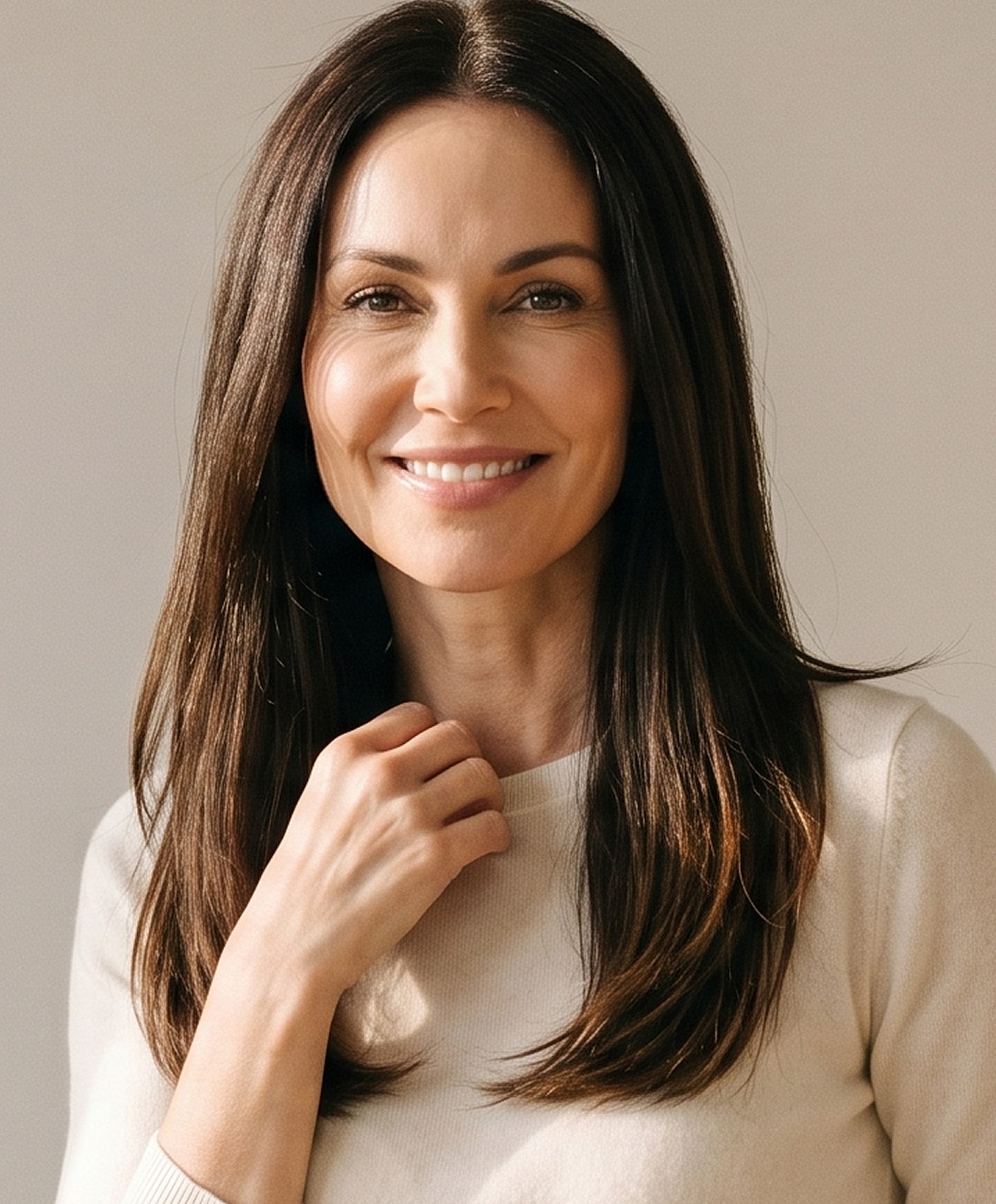
Recovery is a gradual process that requires patience and care. In the first few days, you will wear a light bandage around your face to minimize swelling. While you might feel some tightness or a temporary change in skin sensation, most discomfort is easily managed with prescribed support. It is essential to avoid strenuous exercise for at least three weeks to allow the facial anatomy to heal properly. Our team provides concierge-level follow-up care to monitor your progress and ensure you feel supported every step of the way.
The specific improvements you will see include a firmer jawline, smoother cheeks, and a more graceful neck profile. These results typically become fully visible once the minor swelling subsides after several weeks. While surgery cannot stop the clock entirely, it effectively resets it. With proper sun protection and skincare, you can expect to enjoy your refreshed look for many years.
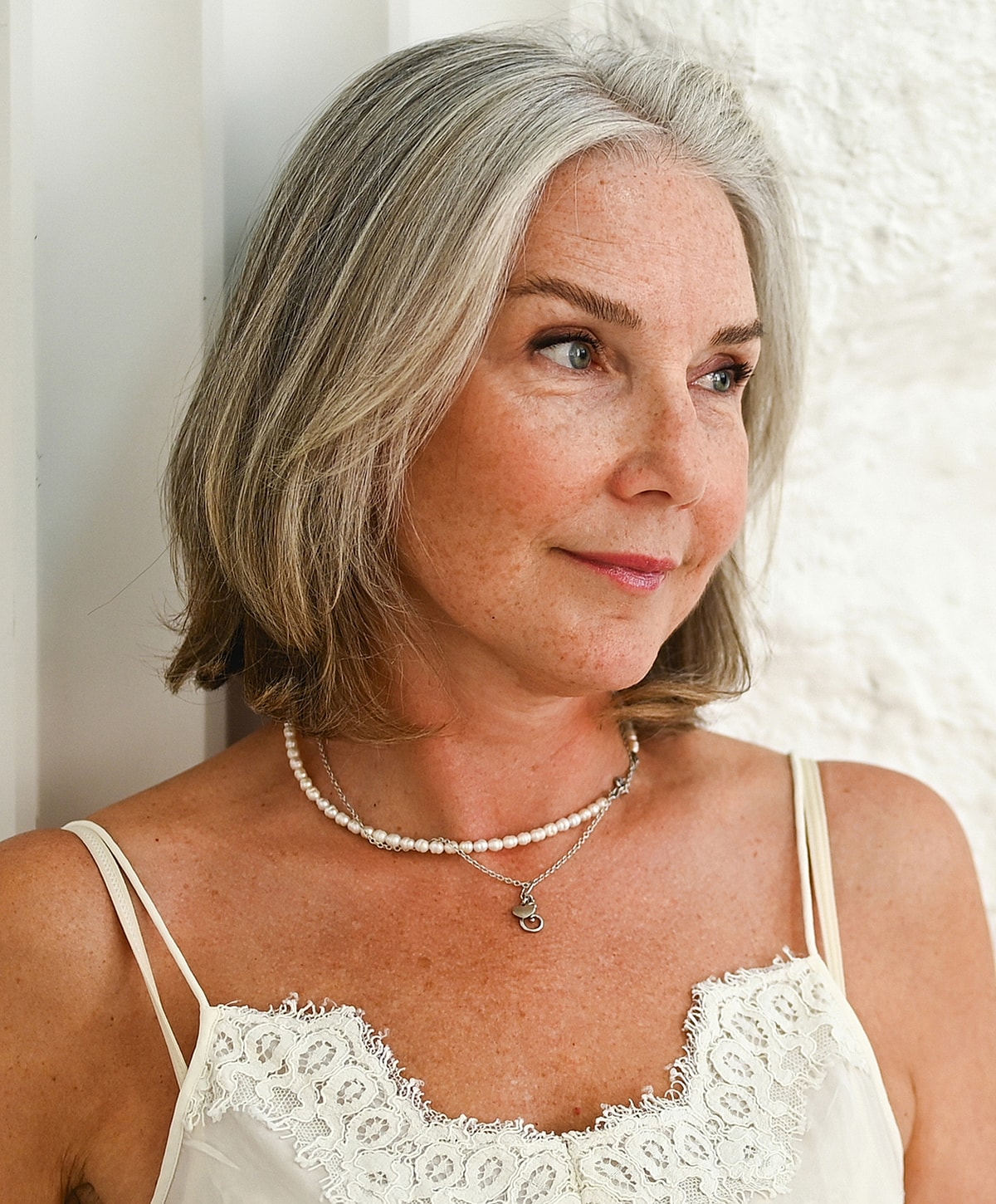
Choosing the right plastic surgeon is the most important step in your journey. Landon S. Pryor, MD, FACS, is a board-certified plastic surgeon with extensive training in facial anatomy. He specializes in advanced facelift techniques, including the deep plane lift, which provides a more natural look by moving the muscles rather than just the skin. Our team combines years of experience with a warm, patient-centered approach, ensuring that your safety and your aesthetic goals are always our primary focus.
East Coast? West Coast? No matter where you are, getting high-end care from one of the nation’s leading plastic surgeons will be worth the trip. Dr. Landon Pryor is a triple board-certified, triple fellowship-trained plastic surgeon known for surgical excellence in both aesthetic plastic surgery and as a national leader in Breast Implant Illness (BII) care and explant surgery. His aesthetic highlights include a deep structural approach to procedures like facelift, rhinoplasty, and breast contouring, aiming for natural-looking, refined, and stable results. For BII patients, he is recognized as a "Surgeon Advocate" who utilizes innovative explant techniques, such as the En Bloc Capsulectomy, and integrates holistic recovery protocols.
Patients travel from across the country to see Dr. Pryor because he is a "National Destination for Explant Surgery & Aesthetic Excellence," offering a steady presence, an evidence-first approach, and compassionate care from a highly trained surgeon who validates their symptoms and provides a safe path to restoration.
You can schedule a consultation with Dr. Pryor at the following locations:

We use meticulous surgical techniques to ensure that incisions are placed in the natural shadows of the ear and within the hairline. This results in minimal scarring that is typically very difficult to see once the healing process is complete. Most patients feel comfortable wearing their hair up or back without concern.
The majority of visible swelling and bruising will fade within the first two weeks. However, very subtle internal healing continues for several months. By the three-week mark, most patients feel confident returning to work and social gatherings without anyone noticing they had a surgical procedure.
Yes, many of our patients have used injectable treatments for years before deciding on surgery. In fact, fat transfer during a facelift can often replace the need for temporary fillers. We will review your treatment history during your consultation to plan the best timing for your surgery.
Most facelifts are performed in our specialized surgical suite as an outpatient procedure. This means you can return home the same day to recover in the comfort of your own environment. We will provide detailed instructions for your caregiver to ensure you are well-cared for during the first 24 hours.
A traditional facelift addresses the neck, jawline, and cheeks for a more comprehensive result. A mini facelift, or short scar facelift, uses smaller incisions and is best suited for younger patients with mild sagging. During your consultation, we will determine which technique fits your specific needs.
A standard facelift focuses on the lower face and jawline and does not change the shape or position of your eyes. If you are concerned about drooping eyelids or heavy brows, we can discuss adding a brow lift or eyelid surgery to your plan for a more complete rejuvenation.
As with any surgery, there are possible risks such as infection, hematoma, or temporary facial nerve injury. However, choosing a board-certified professional like Dr. Pryor and following all pre- and post-operative instructions significantly reduces these risks. Your safety is our absolute priority throughout the process.
There is no perfect age, as facial aging depends on genetics and lifestyle. Most patients are between 40 and 70 years old. The best time to consider the procedure is when you feel that non-surgical treatments are no longer providing the results you desire for sagging skin and deep folds.